

Headless Web Design
What Is Headless Web Design?
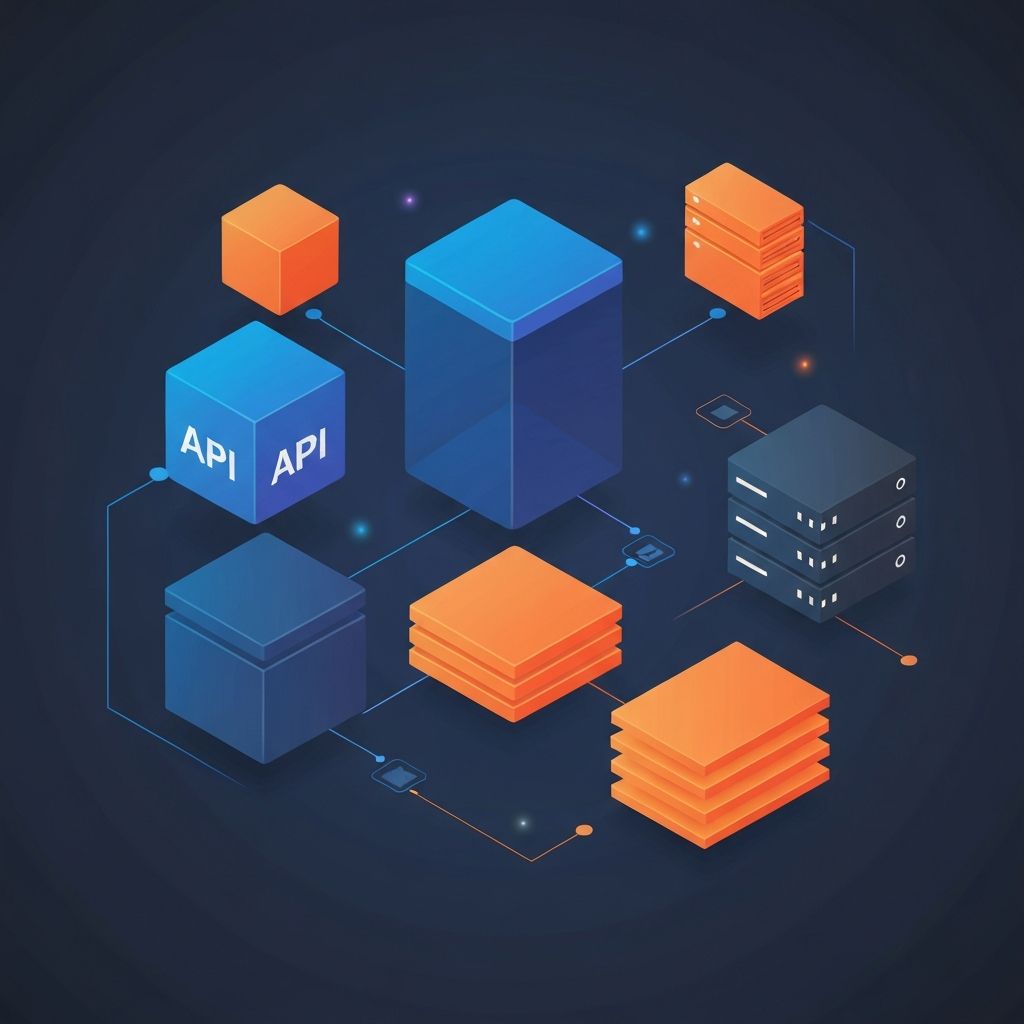
Traditional websites tightly couple the content management system with the front-end presentation layer. The CMS generates the HTML, applies the theme, and ships pages to the browser. Headless web design breaks this model apart. The content management system becomes a pure content repository, exposing data through APIs, while a separate, modern front-end application decides how that content is rendered. This decoupled architecture unlocks dramatic improvements in performance, flexibility, and scalability. At AAMAX.CO, we have delivered dozens of headless builds for clients ranging from media publishers to SaaS companies to e-commerce brands, and the transformation is consistently impressive.
Why Companies Are Moving to Headless
Traditional monolithic platforms were built for a world where a website meant a single stack of pages viewed on a desktop browser. Today, brands need to deliver content to mobile apps, smart devices, marketing emails, digital signage, and countless other channels. A headless CMS can feed all of those channels from a single source of truth. Combined with blazing-fast front-end frameworks, headless web design offers an unbeatable combination of editor-friendly content management and developer-friendly flexibility. Our Strapi CMS Website Development team often pairs Strapi with modern front-ends to deliver exactly that experience.
Performance at the Edge
One of the biggest wins of headless architecture is performance. Because the front-end is a static or edge-rendered application, pages can be served from CDNs close to the user in milliseconds. This is especially powerful when paired with Next.js Web Development, where features like incremental static regeneration, edge rendering, and server components combine to produce some of the fastest websites possible today. Visitors get near-instant loads, search engines reward the site with higher rankings, and hosting costs stay low.
Flexibility for Designers and Developers
In a traditional CMS, designers often fight with theme constraints. You cannot easily restructure layouts, animate components, or introduce new interactive elements without wrestling with PHP templates or obscure theme files. Headless web design frees the front-end team to use whatever modern tools they want. With ReactJs Web Development, for example, designers and engineers collaborate on rich, component-driven interfaces that would be painful or impossible inside a monolithic CMS.
Omnichannel Content Delivery
Perhaps the most compelling reason to go headless is the ability to reuse content across channels. The same blog article can power your website, your mobile app, your AMP pages, your email newsletter, and even voice-enabled smart devices. The content team writes once and publishes everywhere, without duplicating effort or risking inconsistencies. For media brands, e-commerce companies, and global enterprises, this omnichannel capability is a game changer.
Scalable Architecture
Headless systems scale elegantly. The CMS handles content editing and API delivery without worrying about peak traffic. The front-end, hosted on a CDN or edge platform, absorbs traffic spikes effortlessly because each page is a static or cached asset. This separation of concerns makes it far easier to handle viral moments, Black Friday sales, or sudden press coverage without crashing. Our MERN Stack Development approach also fits perfectly into this world, providing flexible, API-first architectures for custom applications.
Modern Front-End Development
A great headless site requires equally great front-end craft. Our Front-end Web Development team specializes in building responsive, accessible, high-performance interfaces using modern frameworks and design systems. Features like component libraries, design tokens, animation systems, and accessibility tooling all fit naturally into a headless stack. The result is a site that looks premium, feels fast, and behaves consistently across devices.
Reliable Back-End Services
Behind every headless front-end is a robust back-end. Whether that is a headless CMS, an e-commerce API, a custom database, or a combination of services, it must be reliable, secure, and performant. Our Back-end Web Development specialists build APIs that scale, enforce security, handle authentication, and integrate with third-party platforms like payment processors, shipping providers, and analytics tools. Getting the back-end right is essential to realizing the promise of headless architecture.
Improved Developer Experience
Headless web design dramatically improves the developer experience. Engineers can use modern workflows: Git-based version control, continuous integration, preview environments, type safety, and automated testing. They can ship features faster, onboard new team members more smoothly, and catch bugs earlier. This productivity boost means more features for the business and happier developers who tend to stick around longer.
Content Editors Still Love It
A common fear is that moving to headless will complicate life for content editors. Modern headless CMS platforms have eliminated this concern. Editors get a clean, intuitive interface with real-time previews, content modeling tailored to their needs, role-based permissions, and powerful asset management. In many cases, editors find headless platforms easier to use than legacy monolithic systems, especially when the content model is thoughtfully designed.
Security Advantages
Headless architectures tend to be inherently more secure. Because the front-end is often a static site, there is no database or admin panel exposed to the public internet. Attack surfaces shrink dramatically. The CMS admin lives behind authentication on a separate domain and can be further hardened. This is a major advantage for regulated industries or high-profile brands that face constant attack traffic.
Challenges to Plan For
Headless is powerful, but not without trade-offs. Upfront setup is more complex than installing a template on a traditional CMS. Teams need development expertise on staff or through a partner. Preview functionality requires careful engineering so editors can see their changes before publishing. Costs can include both the CMS subscription and the hosting platform. These challenges are very manageable with the right partner, but they are worth planning for from day one.
When Headless Makes the Most Sense
Headless web design makes the most sense for businesses that need high performance, plan to deliver content across multiple channels, want design flexibility beyond what templates allow, expect significant growth or traffic spikes, and have or are willing to partner with modern development teams. For a simple brochure site with modest needs, a traditional CMS may still be the right call. But the line keeps moving, and more and more small businesses are finding that the long-term benefits of headless outweigh the initial investment.
Partner with AAMAX.CO for Headless Success
If you are ready to explore headless web design, hire AAMAX.CO for Web Design and Development services. We will help you choose the right CMS, architect a flexible and secure back-end, build a stunning and fast front-end, and support the entire system long after launch. Headless can transform how your brand operates online, and we would love to help you harness it.
Want to publish a guest post on aamax.co?
Place an order for a guest post or link insertion today.
Place an Order