

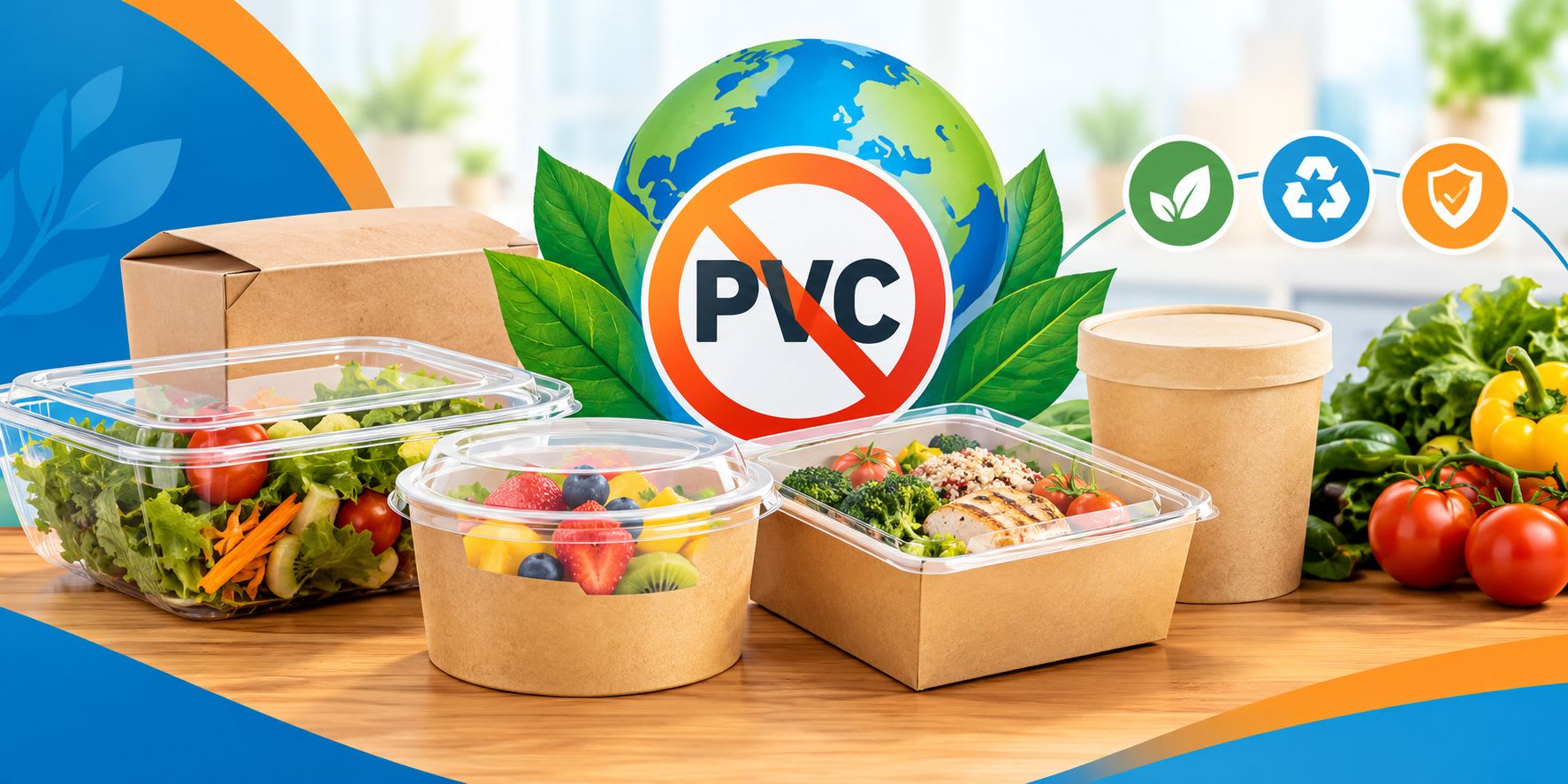
The Growing Importance of PVC-Free Solutions in Food Packaging
Food packaging plays a vital role in protecting products, maintaining freshness and ensuring that goods reach consumers in excellent condition. From sauces and preserves to beverages and ready-to-eat products, packaging components must meet demanding requirements for safety, durability and convenience. As manufacturers increasingly review their environmental responsibilities and material choices, alternative packaging solutions are becoming an important consideration across the food industry.
One area attracting particular attention is the development of closures that do not contain polyvinyl chloride, commonly known as PVC. These components can form part of a wider packaging strategy focused on material selection, product protection and responsible manufacturing. Understanding their applications and benefits helps food producers make informed decisions about their packaging requirements.
Understanding the Role of Food Closures
Closures are essential to many food packaging formats. They help seal containers, prevent leakage and protect contents from contamination during storage, transport and everyday use. Depending on the product, a closure may also need to maintain a secure barrier against moisture, oxygen or other external influences.
Different food products require different sealing solutions. A jar of jam, for example, has different packaging requirements from a bottle of cooking oil or a container of chilled sauce. Manufacturers must consider factors such as acidity, temperature, filling methods, storage conditions and the expected shelf life of the product.
The closure must also work effectively with the container itself. An unsuitable combination can lead to leakage, compromised seals or difficulties during automated filling and packaging. Selecting appropriate materials and testing the complete packaging system are therefore essential steps in product development.
What Are PVC-Free Food Closures?
Pvc free food closures are packaging closures designed without polyvinyl chloride in the relevant closure materials. Depending on the application, alternatives may include polypropylene, polyethylene, metal or combinations of materials selected to achieve the required performance.
These alternatives can be used in a range of packaging applications, including bottles, jars and other food containers. Their suitability depends on the specific product, the closure design and the technical demands of the packaging process.
For food manufacturers, choosing a closure without PVC may support internal material policies or broader packaging objectives. However, the absence of PVC alone does not establish that a product is safer, more sustainable or easier to recycle. Those outcomes depend on the materials used, the design of the complete package and the systems available for its recovery or disposal.
A careful assessment of the closure's composition, performance and intended application helps ensure that material changes deliver practical benefits without compromising food protection.
Food Safety and Material Compatibility
Food safety is one of the most important considerations when selecting packaging components. Materials that come into contact with food must be suitable for their intended use and comply with applicable food contact legislation.
Manufacturers should request relevant technical documentation from their suppliers and confirm that the closure is appropriate for the food being packaged. Factors such as temperature resistance, chemical compatibility and the potential migration of substances into food may need to be considered.
For example, closures used with acidic foods or products containing oils may require different material characteristics from those intended for dry goods. Hot filling, pasteurisation and other processing methods can introduce additional demands on the closure and sealing system.
Testing should reflect realistic manufacturing and storage conditions wherever possible. This can help identify potential problems before packaging enters commercial production and reduce the likelihood of costly product recalls or packaging failures.
Supporting More Responsible Packaging Choices
Environmental considerations are increasingly influencing packaging decisions. Food producers are examining ways to reduce unnecessary material use, improve recyclability and minimise waste throughout the product lifecycle.
Selecting alternative closure materials can contribute to these efforts when combined with thoughtful packaging design. For instance, reducing the weight of a closure may lower material consumption, provided the seal remains reliable and the product stays protected.
Compatibility with existing recycling infrastructure is another important consideration. A closure may be made from a recyclable polymer, but its practical recyclability depends on local collection, sorting and processing systems. The interaction between the closure, container, liner and other packaging components can also affect the outcome.
Businesses should therefore assess the complete packaging format rather than focusing on a single component in isolation. Environmental claims should be supported by evidence and clearly distinguish between a material characteristic and a verified sustainability benefit.
Choosing the Right Packaging Supplier
Selecting a suitable supplier involves evaluating technical performance, product consistency, availability and customer support. Food manufacturers should seek clear information about material composition, sealing performance, manufacturing tolerances and quality control procedures.
It is also useful to request samples for compatibility testing before committing to large production volumes. These trials can establish whether closures fit existing containers, operate correctly on filling lines and maintain their integrity during transport and storage.
Other factors, including minimum order quantities, lead times and production capacity, should be considered when comparing suppliers. Reliable communication can help businesses respond more effectively to changing production requirements and avoid unnecessary interruptions.
Looking Ahead at Food Packaging Innovation
Packaging development continues to evolve as manufacturers balance product protection, consumer convenience, regulatory requirements and environmental priorities. PVC-free closure options provide another opportunity to review material choices and improve packaging specifications where appropriate.
The most effective approach is to evaluate each application individually, ensuring that the selected closure meets food safety requirements and performs reliably throughout the supply chain.
By combining responsible material selection with thorough testing and dependable supplier partnerships, food manufacturers can develop packaging solutions that protect product quality while supporting their wider business objectives.
Want to publish a guest post on aamax.co?
Place an order for a guest post or link insertion today.
Place an Order