

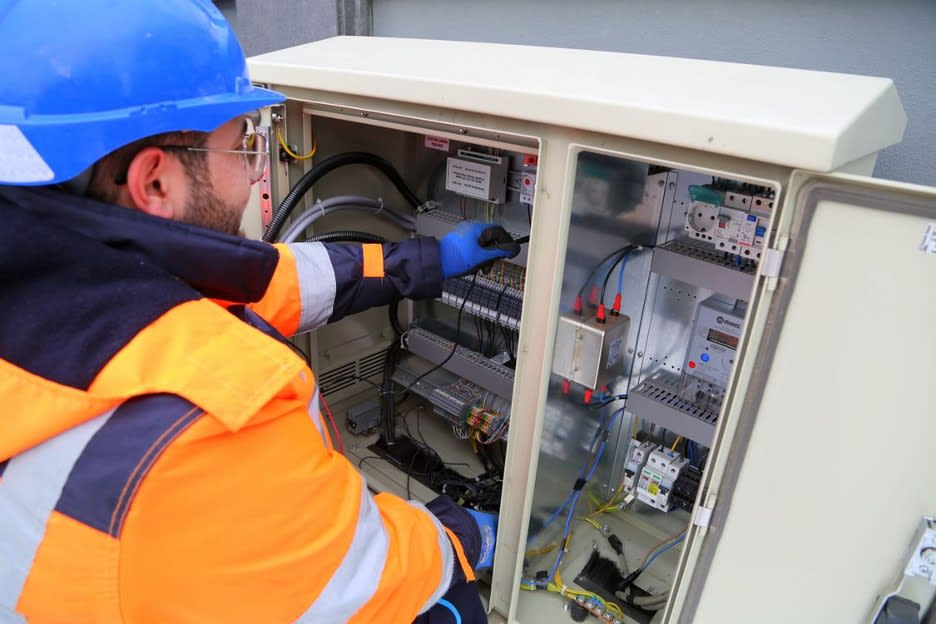
Why Specialty Electrical Services Need Their Own Marketing Strategy
Most electricians run one marketing strategy for every job on their roster. That approach works well enough for tripped breakers and ceiling fan installs, but it starts to break down when the service being sold is an EV charger installation, a panel upgrade, or solar integration.
The people searching for those services are not in the same headspace as someone with a flickering light. They research longer, compare more options, and want proof of expertise before they pick up the phone. That difference in buyer behavior is exactly why digital marketing for electricians that covers specialty work needs its own playbook, separate from general service campaigns.
Higher project values also raise the stakes on both sides. A homeowner investing several thousand dollars in a panel upgrade or EV infrastructure is making a considered decision, and the trust threshold reflects that. Customer lifetime value is higher in these categories, which means targeted lead generation built around the specific buyer profile will consistently outperform any recycled general-service messaging.
Specialty Services Sell to a Different Buyer
Digital marketing for electrician businesses tends to perform reasonably well for commodity service calls, but specialty services require narrower audience targeting, more deliberate education, and offer framing that speaks to a very different kind of buyer. Understanding why that difference exists is the right place to start.
Search Behavior Changes with the Service
Specialty electrical prospects are not the same as people searching for basic repairs or emergency work. Someone looking for an EV charger installation or a solar integration solution is typically mid-research, not mid-crisis. They are comparing contractors, reading about compatibility requirements, and evaluating credentials before they ever make contact.
That longer consideration cycle means the search queries themselves look different. These buyers use more specific terms, ask more detailed questions, and respond to content that reflects genuine expertise rather than generic availability.
Higher-Ticket Jobs Raise the Trust Threshold
When a project carries a higher price tag, the decision process slows down accordingly. A panel upgrade or EV infrastructure investment is not an impulse purchase, and the buyer treats it that way. They want to see evidence that the contractor understands the technical scope, has handled similar projects, and can be trusted with a job that affects their home's safety and long-term value.
That elevated trust threshold is precisely why reusing a general electrician campaign for specialty services tends to underperform. The messaging, the proof points, and the lead generation approach all need to match the buyer's actual decision criteria, not just signal availability.
Local SEO Must Be Built Around Niche Demand
Competing on broad electrician terms alone means competing against every general contractor in the area. For specialty electrical companies, the real opportunity sits in intent-specific searches where the buyer already knows what they need.
Service Pages Need Narrower Keyword Targeting
A single "electrician services" page cannot realistically rank for EV charger installation, panel upgrade, or solar integration searches in a specific city. These are distinct queries with distinct intent, and search engines treat them as such.
Dedicated service pages that combine the specialty type with a city modifier, such as "EV charger installation in Austin" or "panel upgrade services in Denver," allow a site to match those searches directly. This is the same principle that drives targeted SEO for electricians in any service-based niche: narrower targeting captures buyers who are already close to a decision.
City pages built around the actual service area help extend this further, giving the site a footprint that reflects where the business actually operates.
Your Google Business Profile Needs Service Clarity
The Google Business Profile should leave no ambiguity about what the business specializes in. Categories, service listings, photos, and business updates all function together as a local visibility system, and they collectively influence Local Pack placement.
Google reviews deserve the same level of attention. When reviews consistently mention the specific services being marketed, those signals reinforce the specialty positioning that the on-page content establishes.
When the service pages, service area signals, and review language all point toward the same niche work, the Local Pack becomes far more attainable.
Paid Campaigns Need Tighter Offers and Targeting
Running a single PPC campaign across every service type dilutes both the message and the budget. For specialty electrical work, that dilution is expensive because the buyers, their concerns, and the project economics are all different.
Google Ads Should Mirror Specialty Intent
Google Ads performs best when each specialty service, whether an EV charger installation or a panel upgrade, has its own ad group, dedicated landing page, and relevant ad extensions. Grouping these under a general electrician campaign means the ad copy never quite matches what the searcher is actually looking for.
The economics are also different. Because EV charger and panel upgrade projects carry higher value and tend to close at lower volume, those campaigns can absorb a higher cost-per-lead than a standard service call. Treating every ad group by the same benchmark misreads the data.
Ad copy should speak directly to the specific concerns a specialty buyer carries: permit requirements, load capacity, compatibility with existing infrastructure, or installer credentials. Government data shows EV adoption continuing to grow, which means search demand for installation expertise is following the same curve.
Paid campaigns should also mirror the same service area boundaries used in organic search, keeping spend concentrated where the business can actually convert leads.
Specialty Work Needs More Educational Content

When a buyer is comparing panel upgrade quotes, weighing charger levels, or researching whether their home is ready for solar integration, a generic social post does nothing useful for them. Content marketing becomes far more central to the strategy when the buyer has real questions that need answering before they are ready to convert.
Content Builds Trust Before the Call
Pre-sale questions are specific in this space. Homeowners researching a panel upgrade want to understand capacity limits, permit requirements, and what the installation process actually involves. Those exploring solar integration want to know whether their current electrical setup is compatible before committing to anything.
Educational assets that address those questions directly, whether through service page content, FAQs, or blog articles, serve two functions at once. They improve organic visibility by targeting the exact phrases buyers are searching, and they raise lead quality by reaching people who already understand the scope of the project.
This is what separates digital marketing tailored to electrical contractors from a surface-level content approach. Content built around real buyer uncertainty supports the sales conversation rather than replacing it, and that distinction shows up in how well those leads convert.
Referral Channels Change When the Service Is Niche
Referral networks shift considerably once a business moves into specialty work. The partners who send useful leads for general electrical jobs are often not the same ones who can refer EV charger or solar integration clients.
Partnerships Should Match the Specialty
A referral program built around general electrical work draws from a very different pool than one designed for a niche specialty. When the service is EV charger installation or solar integration, the most productive referral sources tend to be businesses that already encounter customers at the point of need.
General contractor contacts, property management firms, solar installers, and EV-related businesses all occupy that position naturally. Because those partners already understand what the job involves, the leads they send tend to arrive warmer and better informed than cold search traffic.
That quality difference is where niche referral networks earn their place in lead generation. For the referral relationship to hold, though, the messaging passed along has to reflect the specific service being promoted. A general "we do electrical work" pitch lands poorly with a solar installer or a property management contact who is trying to match a specific client need.
What to Prioritize First
The clearest starting point is identifying which specialty service has the strongest demand in the local market and building the entire strategy around that one service first.
That means aligning local SEO, Google reviews, paid search, and content to reflect that specific service before expanding into others. Splitting the marketing budget across too many specialties too early produces mediocre results across the board rather than strong positioning in any single area.
Specialty electrical marketing works best when treated as a focused system. Once the first service earns consistent, qualified leads, the same framework can be applied to the next.
Want to publish a guest post on aamax.co?
Place an order for a guest post or link insertion today.
Place an Order